Ask any parent what they want for their child, and the answer is usually the same: good marks, a good college and a good job. These are all important. But there is something many schools quietly miss. Textbooks teach students what to learn, yet they rarely teach them how to handle real life.
How do you manage your money? How do you stay calm before an exam? How do you speak up in a meeting, work with a team or bounce back after a failure? These are life skills for students, and they matter just as much as academic knowledge.
At Sunbeam Academy, we believe a child should leave school ready for the world, not just ready for the next exam. Here are the 10 most important life skills every student needs in 2025-26.
1. Mindfulness
Mindfulness simply means being aware of what you are thinking, feeling and doing right now. It sounds easy, but most of us rarely do it. Students are often worried about the next test or distracted by their phones.
A few minutes of quiet breathing, a short walk without a screen or simply sitting still can help a child focus better and feel less stressed. Over time, mindfulness helps students stay calm in difficult moments and think clearly before they act.
2. Time Management
Everyone says time management is important, but very few students are actually taught how to do it. It is not just about making a timetable. It is about knowing what is urgent, what can wait and what is only a distraction.
When students learn to set small goals, plan their day and finish work on time, they feel less pressure and get more done. This is one of the best habits a child can carry into college, work or even running their own business one day. Simple things work well, like a daily to-do list, a fixed study hour and keeping the phone away while studying.
3. Emotional Intelligence
Emotional intelligence means understanding your own feelings and handling them well. It also means understanding how other people feel.
A student with this skill does not lose control after a bad result or a fight with a friend. They pause, think and respond in a better way. They also learn to listen, show kindness and settle disagreements calmly. This skill supports almost every other skill on this list, which is why we place it so high. Talking openly with teachers, counsellors and parents helps children build it.
4. Planning and Adaptability
The world is changing fast. Jobs that exist today may look very different in ten years, and some new jobs have not even been invented yet. Students who can plan well and adjust quickly will always have an edge.
Adaptability means staying calm when plans change, learning from mistakes and trying again with a fresh idea. A child who has learned to handle small changes in school, like a new subject, a new teacher or a lost match, will find it much easier to handle bigger changes later in life.
5. Digital Literacy
Today's children grow up with phones, tablets and the internet. But being able to scroll is not the same as being digitally smart.
Digital literacy means knowing how to find correct information online, how to use digital tools well and how to stay safe. Students must learn to spot fake news, avoid unsafe links, protect their passwords and think before they share anything. As more of our lives move online, this skill protects children from online fraud and bullying while helping them use technology in a useful way.
6. Basic Computer Skills
Many jobs today expect a person to know the basics of Word, Excel and PowerPoint. These tools help students write neat reports, organise information, make simple charts and present their ideas clearly.
Learning them early makes school projects easier and gives students a real head start in college and at work. Employers often look for these skills even in beginners, so a student who already knows them stands out.
7. Financial Literacy
This is one of the most important life skills for students in India, and one of the least taught. Many students finish school without knowing how to make a budget, save money or avoid unnecessary spending.
Money habits begin young. A child can learn to save a part of their pocket money, tell the difference between a need and a want and understand why saving early matters. Simple ideas like what a bank account is, how interest works and why debt can be risky will help them make smart choices for the rest of their lives. This is also the first step for any child who dreams of starting a business someday.
8. Turning Theory into Practice
Indian schools are strong in theory, and that is something to be proud of. But knowing a formula is different from using it. The real skill is taking what you learn in class and applying it to real problems.
This is where project-based learning helps. When students build a model, run a small survey, plan a school event or start a mini business, they understand ideas far better than by memorising them. They also see why they are learning something, which makes studying more interesting. Students who can turn theory into action learn for life, not just for the exam.
9. Teamwork and Collaboration
Nobody succeeds alone. Whether it is a school project, a sports team, a job or a start-up, we all have to work with other people.
Good teamwork means listening to others, sharing the work fairly, respecting different opinions and helping when someone is stuck. It also means learning to work with people who think differently from you. Group activities, class projects and sports are great ways for children to build this skill. A student who learns to work well with others early will find it far easier to lead a team later.
10. Public Speaking and Communication
A great idea is not much use if you cannot explain it. Clear communication helps students in interviews, group discussions, class presentations and everyday life.
Many children feel nervous speaking in front of others, and that is perfectly normal. The best way to improve is to practise often. Short speeches, debates, show-and-tell sessions and reading aloud all build confidence step by step. Over time, students learn to say what they mean in a clear and friendly way, which will help them in every career they choose.
How Parents Can Help at Home
Schools can do a lot, but life skills grow best when home and school work together. Here are a few easy ways parents can help:
- Give your child small responsibilities at home, such as planning their study time or managing their pocket money.
- Talk about feelings openly and let your child know it is okay to make mistakes.
- Encourage them to speak at family gatherings or share what they learned at school.
- Set limits on screen time and talk about staying safe online.
- Let them take part in group activities, sports and school events.
Building Life Skills at Sunbeam Academy
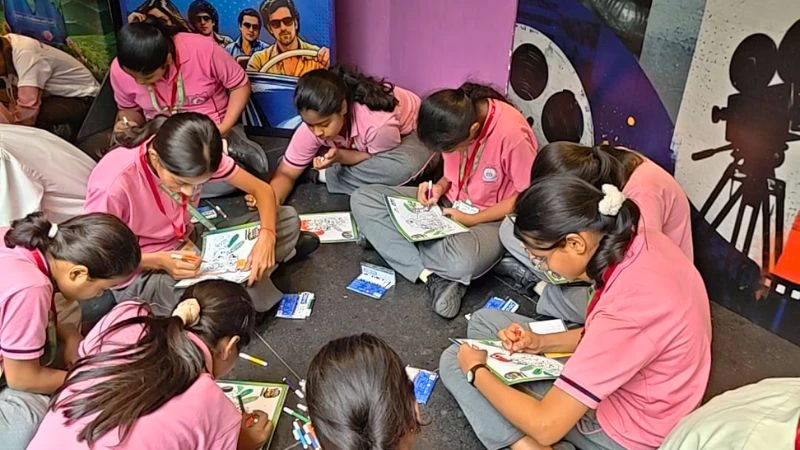
At Sunbeam Academy, we want students to grow into confident, kind and capable young people. Along with strong academics, we encourage activities that build communication, teamwork, creativity and responsibility. Our teachers guide children through projects, discussions and real-life tasks so that learning never feels dull or distant from life.
If you would like to know how we prepare students for the future, we would love to hear from you. Contact Sunbeam Academy to learn more about admissions and our learning approach.
Final Thoughts
Good marks will always matter, but they are only one part of the picture. The students who do best in life are often the ones who can manage their time, handle their emotions, work with others and speak with confidence. These 10 life skills help children become not just good students, but strong, capable people.
The best time to start building them is now. Even small steps, taken every day, can shape a child's future in a big way.
Frequently Asked Questions
What are life skills for students?
Life skills are everyday abilities that help students handle real situations, such as managing time, controlling emotions, working in a team, handling money and speaking clearly.
Why are life skills important for students in India?
Most schools focus on theory and exams. Life skills help children apply what they learn, face challenges with confidence and be ready for college, jobs or starting their own business.
At what age should children start learning life skills?
It is never too early. Small habits like saving pocket money, planning homework time and speaking in class can start in the primary years and grow with the child.
How can schools teach life skills?
Schools can use group projects, class discussions, presentations, sports and hands-on activities so students learn by doing, not just by listening.